
How to Choose the Right Dental Instruments for Your Practice
A practical clinical guide on evaluating material metallurgy, ergonomics, tactile sensitivity, and sterilization compatibility when selecting dental instruments.
Hanudent Clinical Editorial Team
Endodontic & Materials Research Group
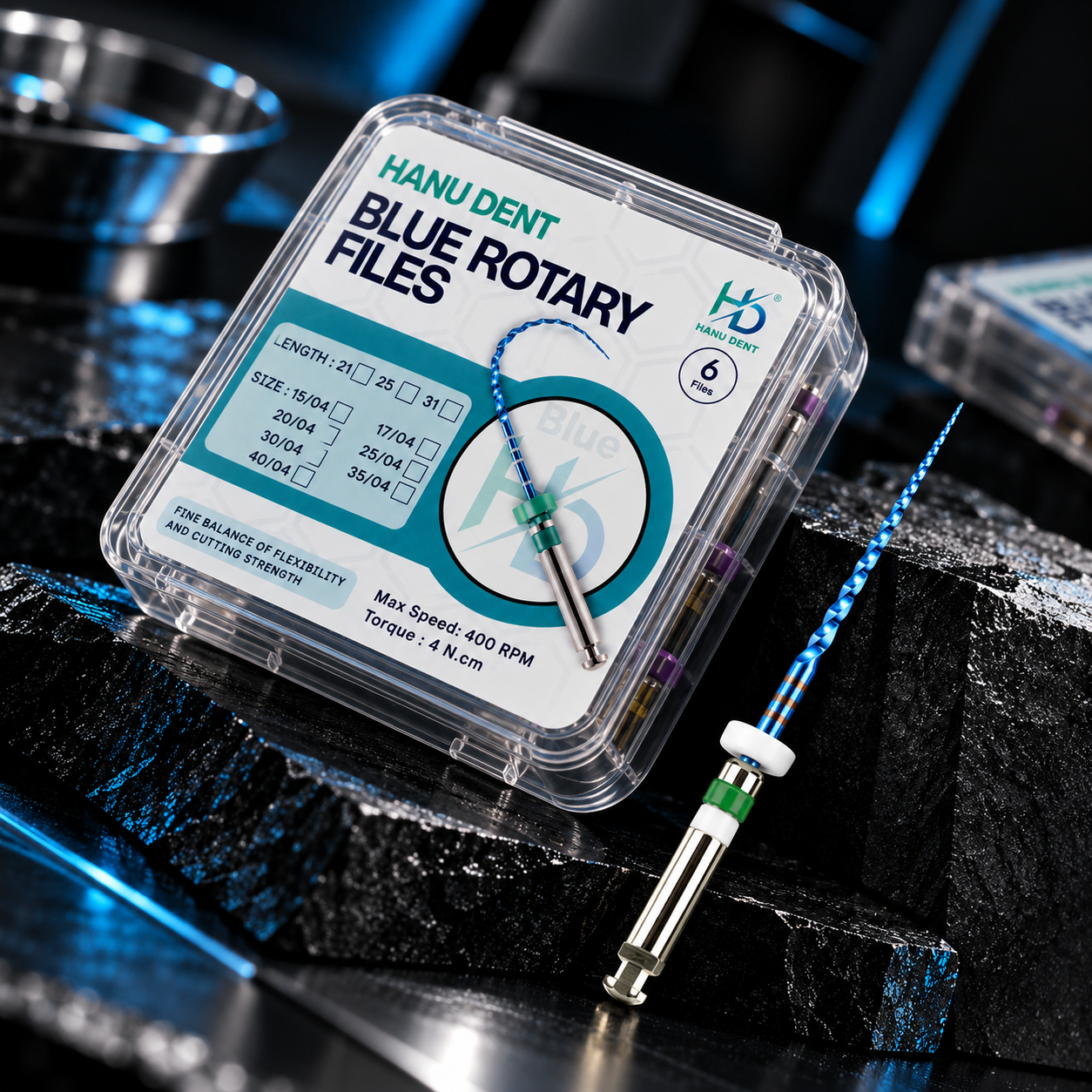
Table of Contents
In contemporary dental practice, clinical success depends not only on practitioner technique but on the physical instruments utilized in every operative step. Dental instruments represent a continuous investment; selecting the appropriate tools impacts procedural velocity, fatigue management, and end-stage tissue handling.
1. Material Metallurgy & Alloy Composition
When assessing diagnostic and operative instruments, material metallurgy stands as the principal indicator of longevity. High-grade surgical stainless steel and specialized nickel-titanium (NiTi) alloys offer distinct mechanical properties. In endodontics, controlled-memory NiTi files undergo precision thermal treatments that shift the crystal lattice phase between martensite and austenite.
Instruments crafted from substandard metals often exhibit rapid edge blunting, surface micro-pitting after autoclaving, and unpredictable flexural deformation. Clinics should prioritize manufacturers who specify alloy grades, heat treatments, and dimensional tolerances.
2. Tactile Feedback and Ergonomics
Tactile feedback is crucial when negotiating delicate anatomies such as narrow canal orifices, furcation entries, or margins in prosthodontic preparations. A hand instrument or rotary file with unbalanced weight distribution dampens the clinician's fingertips, requiring greater gripping force and accelerating practitioner fatigue.
Look for instruments with textured, calibrated shanks and lightweight balances that translate tactile cues directly to the hand without deadening vibration.
3. Sterilization Tolerance and Longevity
Every dental instrument undergoes rigorous cycles of ultrasonic cleaning, thermal disinfection, and high-pressure steam autoclaving at 134°C. Lower-grade alloys degrade rapidly under repeated thermal expansion, displaying discoloration, joint looseness in hinged instruments, and micro-fractures along cutting flutes.
Verify that all organizers, bur holders, and measuring blocks are crafted from anodized medical-grade aluminum or heat-resistant polymers certified for medical reprocessing.
4. Instrument Standardisation Across Operatories
A common mistake in multi-chair clinics is allowing individual operatories to maintain mismatched instruments. Standardizing on unified rotary file systems—such as Hanu Dent TopFlex or Blue Rotary Files—ensures dental assistants can prepare procedure trays swiftly without confusion over taper sizes, speeds, or torque settings.
Standardization simplifies inventory management, eliminates duplicate stock orders, and provides uniform predictability across all treating clinicians in the practice.
Request Clinical Samples & Quotes for Your Practice
Discuss your operatory needs directly with Hanudent's product team. Fast WhatsApp assistance and factory-direct pricing.
Products Featured in this Article
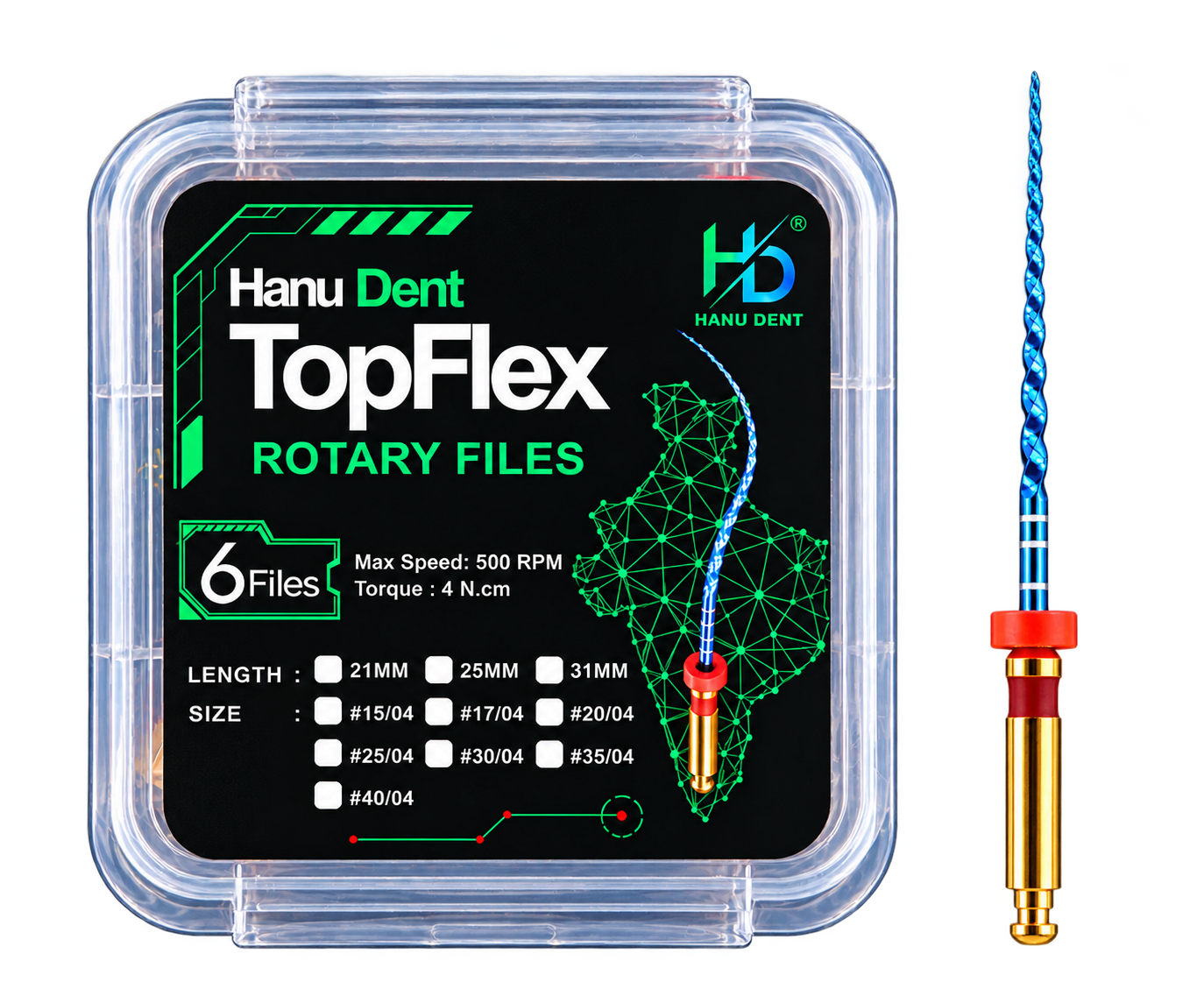 Featured400-450 RPM / 4 N·cm
TopFlex Rotary Files
Flex Beyond Limits — Advanced Thermal NiTi Precision
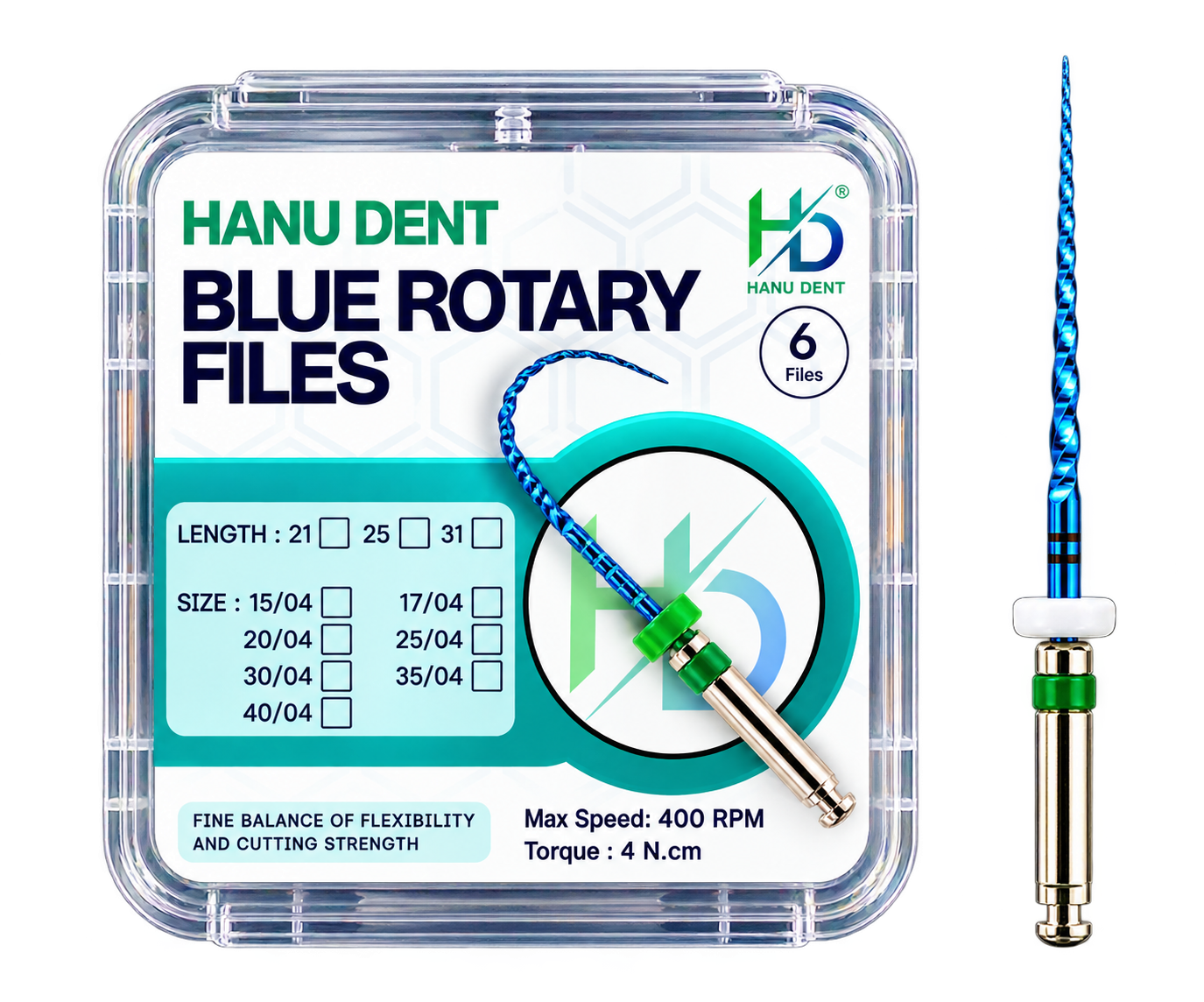 Featured400-450 RPM / 4 N·cm
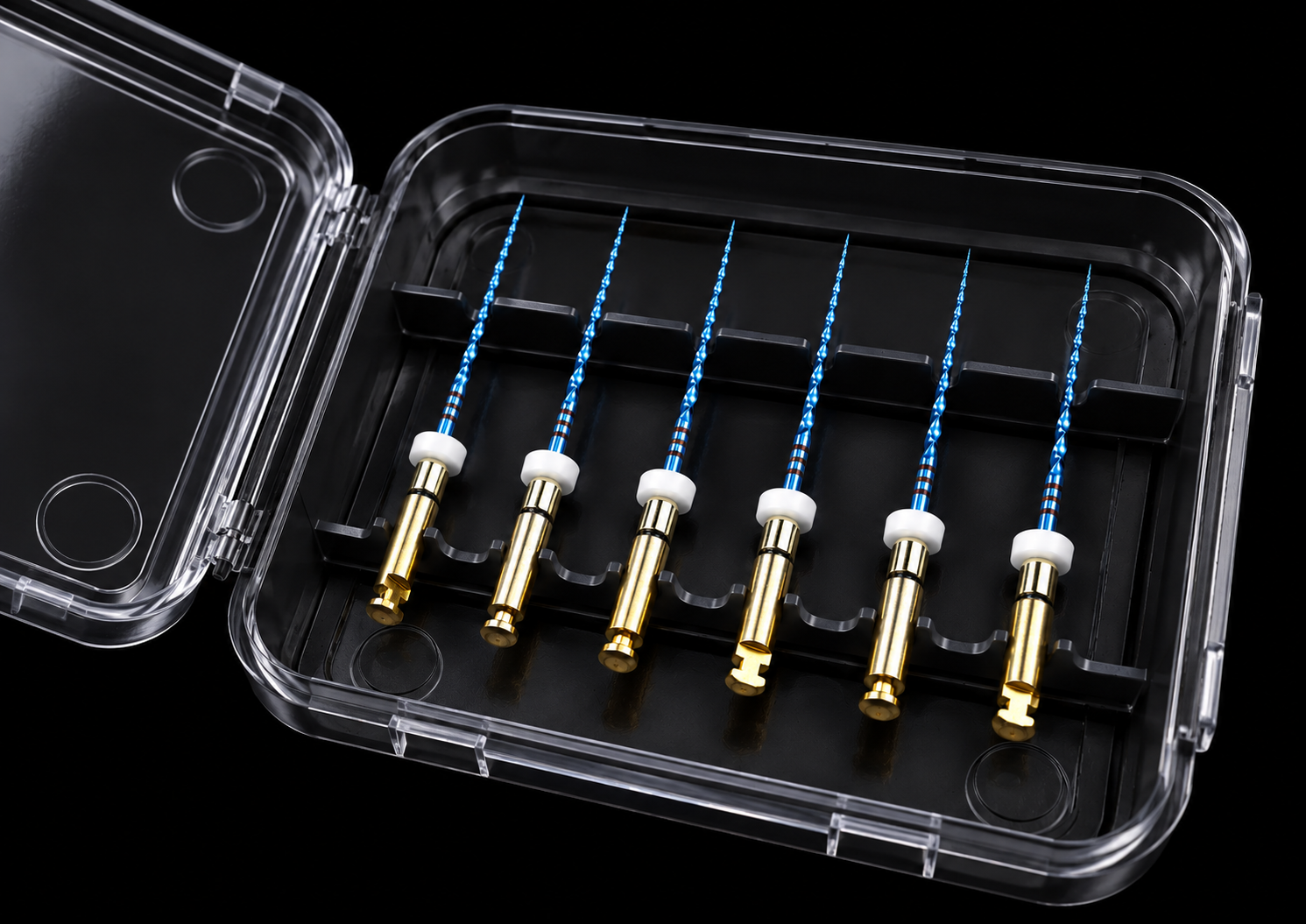
Sterilizable Endo Box & Bur Holder
Autoclavable Medical Aluminum Clinical Organizers
Continue Reading
A Practical Guide to Rotary Files in Endodontics
Understanding heat-treated NiTi metallurgy, glide path management, cyclic fatigue resistance, and torque protocols to prevent instrument separation.
Dental Product Quality: What Clinics Should Consider Before Buying
Key indicators for evaluating dental product provenance, raw material standards, manufacturing precision, and vendor reliability.